As we approach the end of the year, it's the perfect time to take a step back and look at how far we've come. In 2025, many Gablok homes have seen the light of day, each with its own story, desires and constraints. These are just some of the projects that show, in very concrete terms, how far the Gablok system can go.
Annex, modern house, large volume or single-family home: behind these very different typologies, we always find the same common thread. An easier, faster and more efficient way of building, designed to meet the real needs of everyday life.
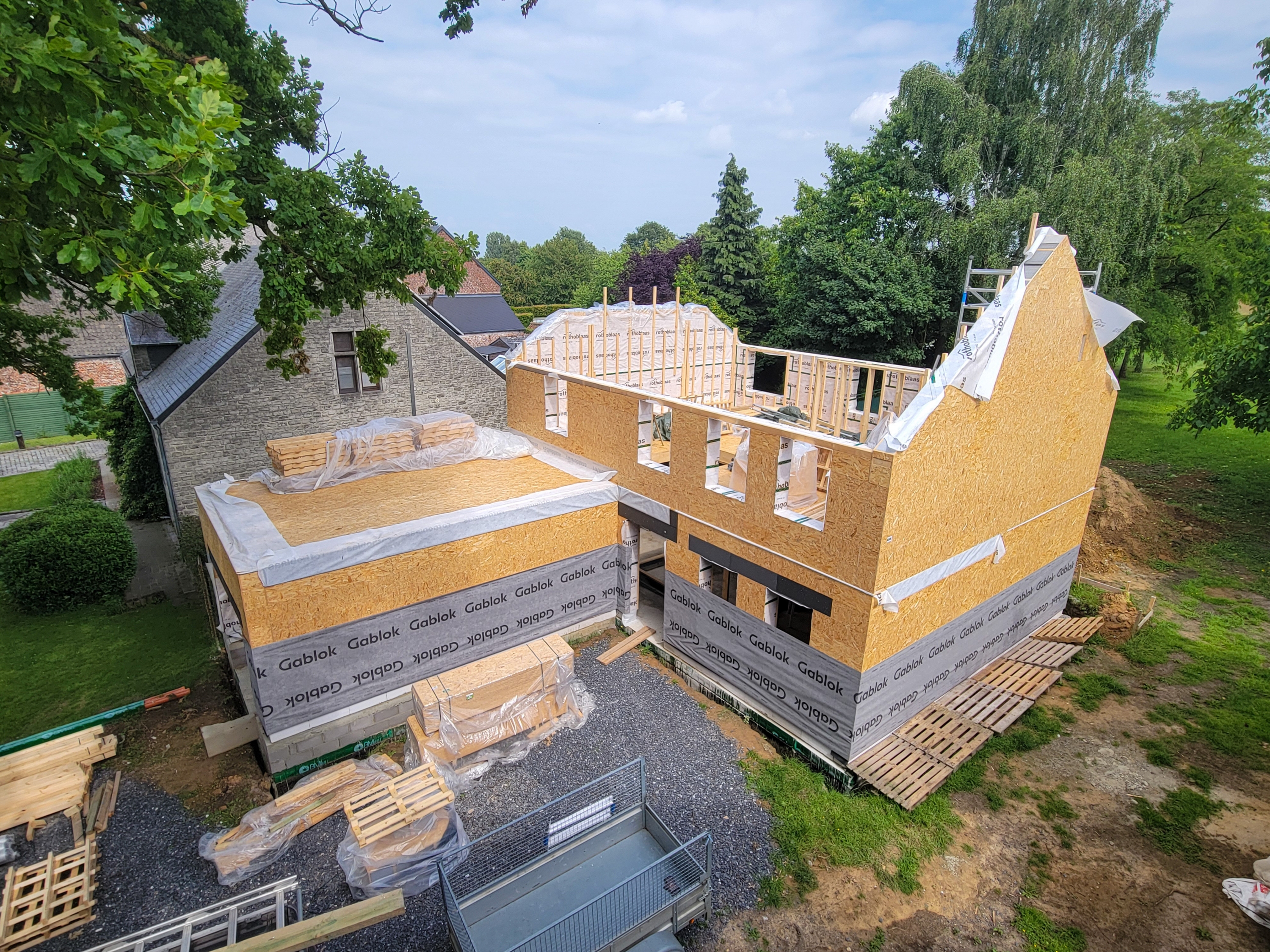
A Gablok annex designed as a natural extension
The annex is often a feature of Gablok projects. Whether it's an office, a professional space, additional accommodation or an extension to the existing home, this type of construction highlights the ease with which the system can be implemented.
Thanks to Gablok blocks, the extension can be erected quickly and blends harmoniously with the existing building. As the insulation is integrated directly into the walls, the space is comfortable all year round, without the need for multiple construction stages.
To remember
- Fast installation
- Low impact on existing building site
- Suitable for small and medium volumes
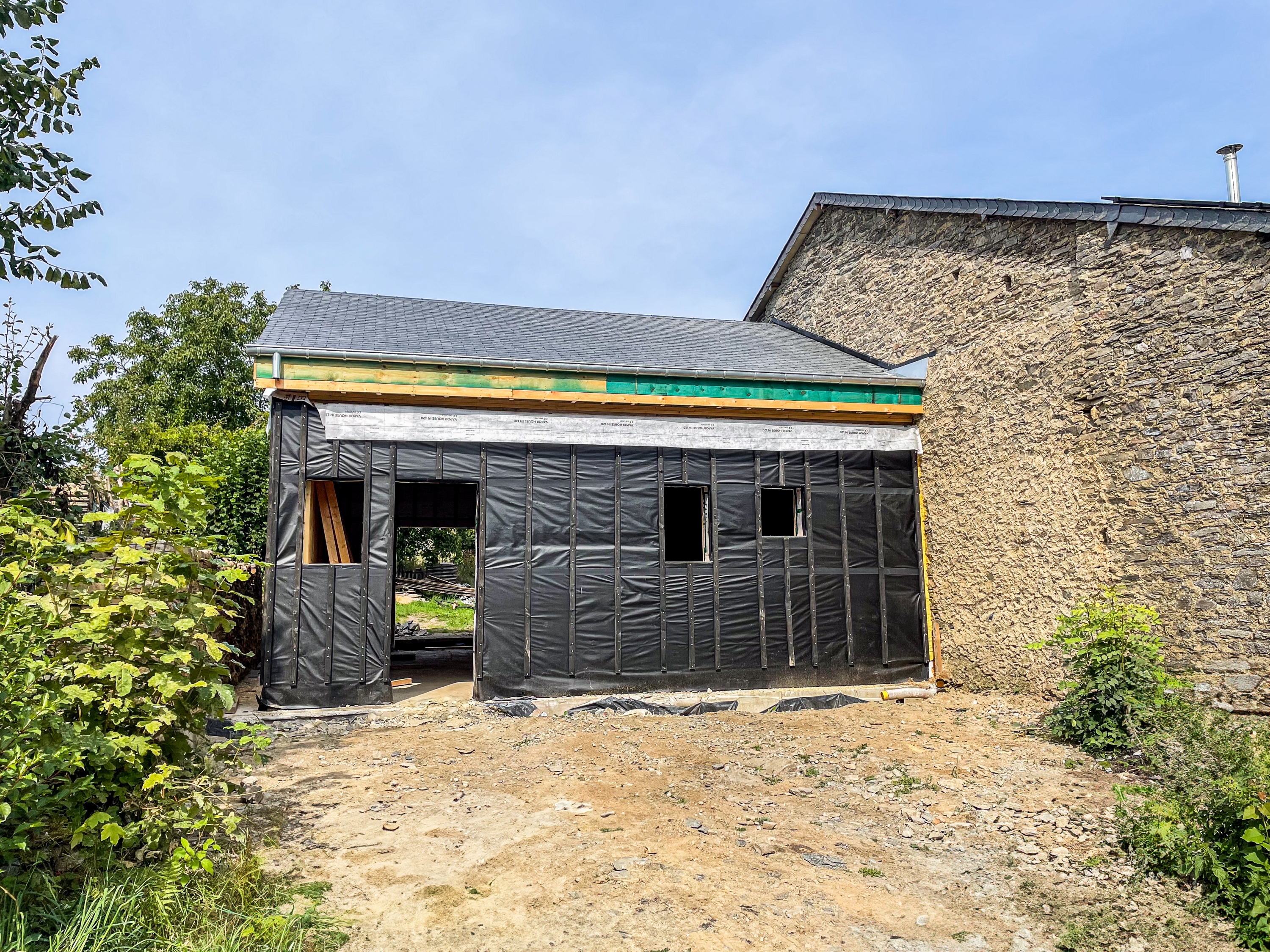
A modern Gablok home with clean lines
The Gablok modern house is one of the most popular projects of recent years. Simple volumes, large openings and bright living spaces characterize this type of contemporary construction.
The Gablok system is perfectly suited to this type of architecture. The load-bearing walls directly integrate the insulation, thus preserving clean lines and a high-performance envelope, while allowing great freedom in the choice of exterior and interior finishes.
Highlights
- Contemporary architecture
- Large, bright, open spaces
- Compatible with many finishes
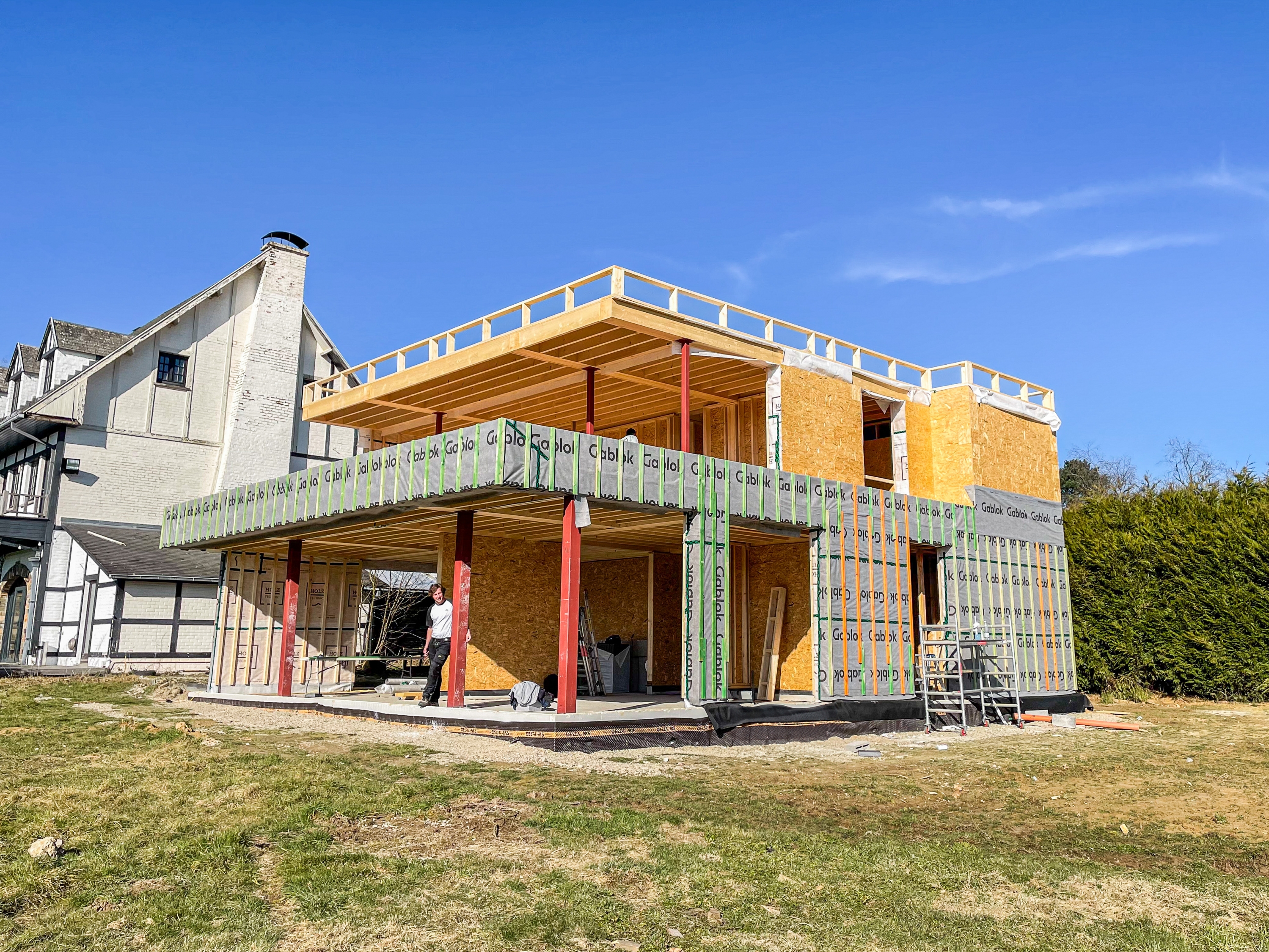
A large-volume Gablok home without complexity
Contrary to popular belief, Gablok homes are not limited to compact constructions. The large-scale projects completed in 2025 demonstrate that it is entirely possible to build homes with large volumes, high ceilings and open spaces.
The modularity of the blocks makes it possible to manage these volumes while maintaining a clear, stable and legible structure. Even on ambitious projects, the building site remains organized and accessible.
Highlights
- Large spaces and generous heights
- Stable, scalable structure
- Architectural freedom
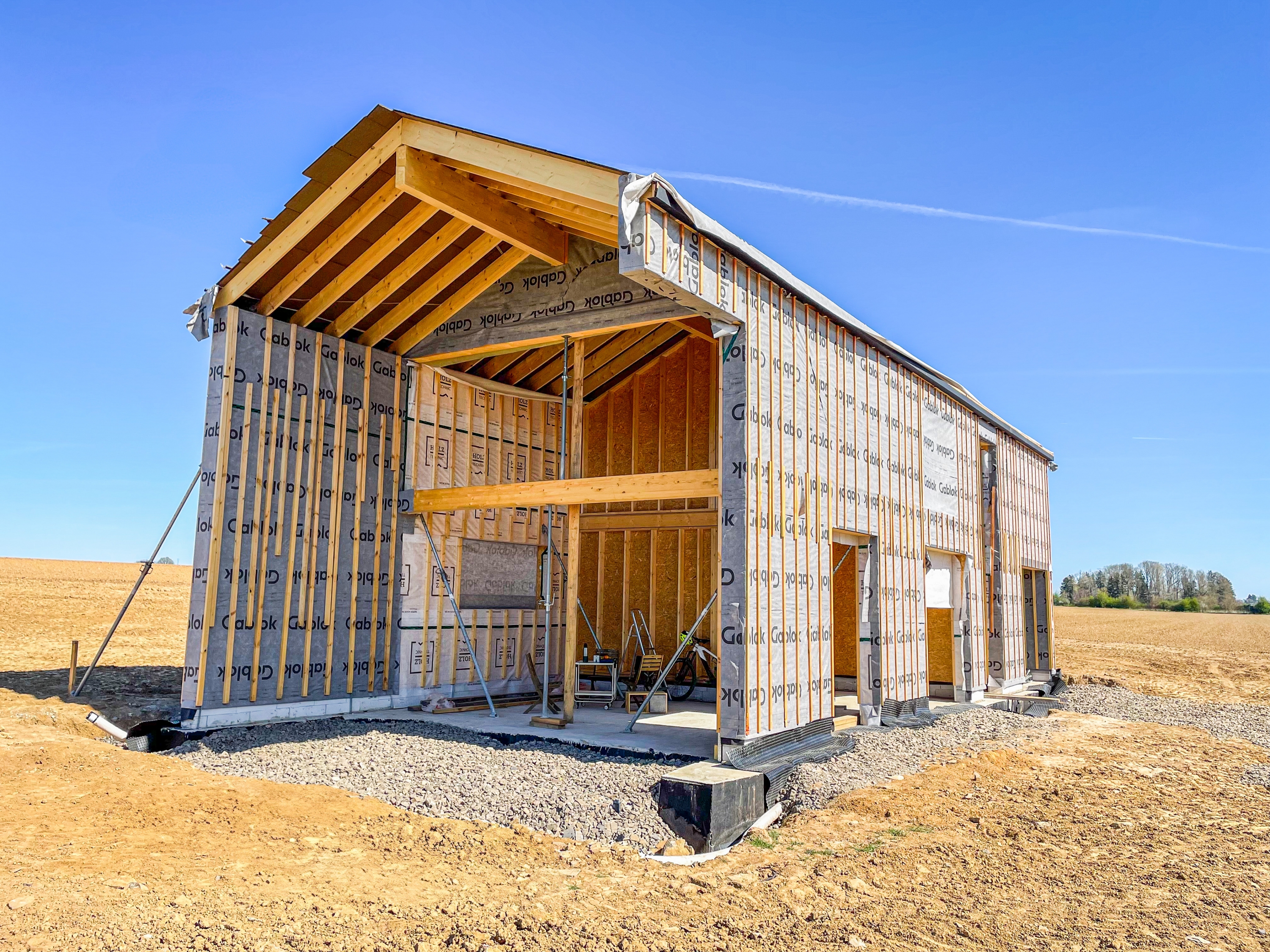
A Gablok single-family home designed for everyday use
The Gablok single-family home remains the most representative type of home ever built. Designed to meet the needs of a family, it combines functionality, comfort and upgradability.
The projects we've completed show that it's possible to build a complete house, on one or two levels, with controlled construction and easy installation. The Gablok system also makes it possible to anticipate future changes to the home, in line with the family's needs.
To remember
- House adapted to family life
- Structured, clear construction
- Possibility of evolution over time
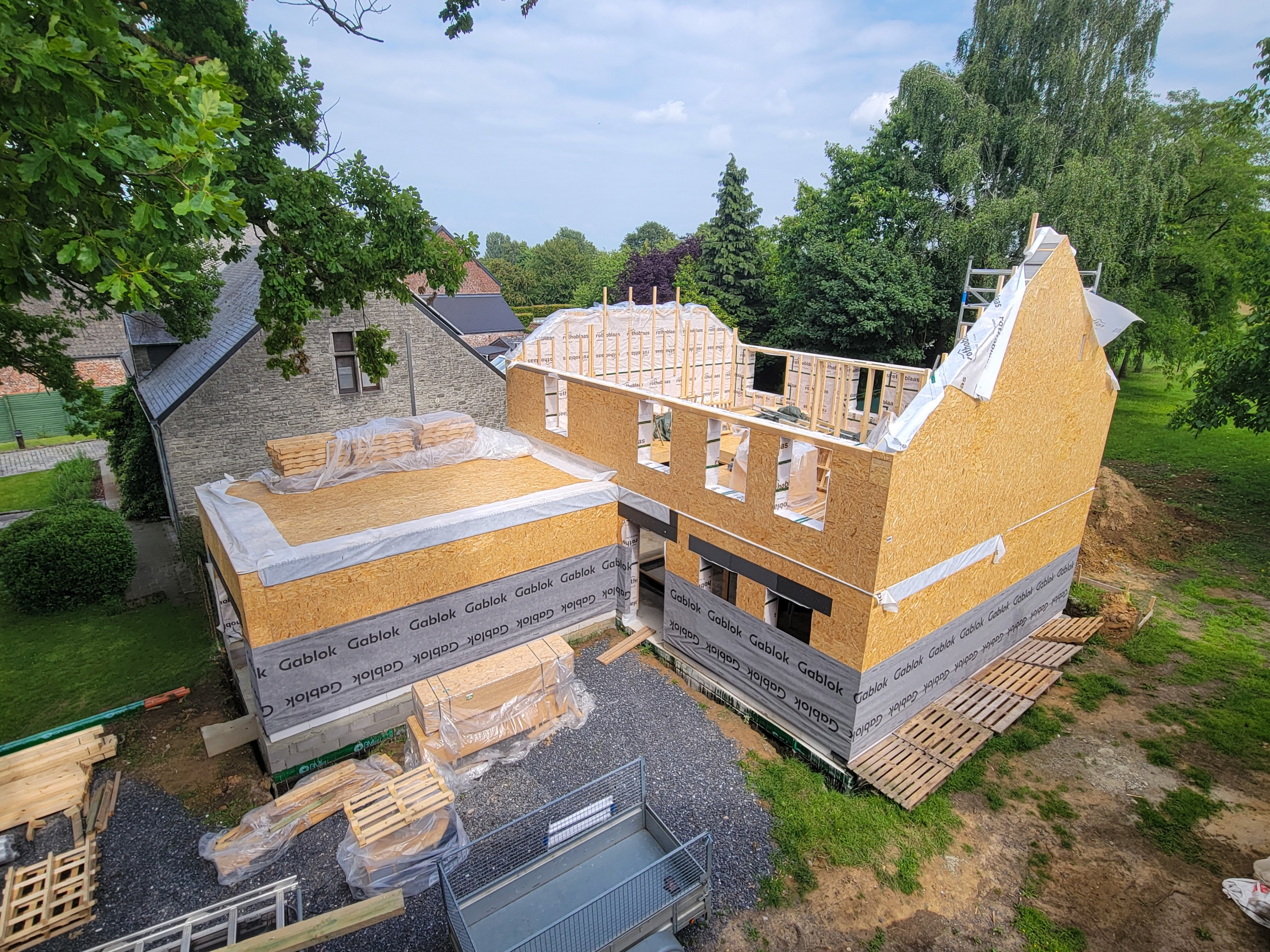
The same approach for very different Gablok homes
These Gablok homes, built throughout 2025, demonstrate that the same construction solution can be used for very different projects. From annexes to family homes, from modern to large-scale constructions, Gablok adapts to every need without complicating the process.
Each house is unique, but all are based on common principles: rapid assembly, integrated insulation and design freedom.
FAQ - Gablok Homes
What types of projects can be built with Gablok?
The Gablok system can be used to build a wide range of projects: annexes/extensions, modern houses, large-volume houses or single-family homes, depending on the desired plans and configuration.
Why is insulation a strong point of the Gablok system?
Gablok walls incorporate insulation, which simplifies construction and contributes to a high-performance envelope right from the shell phase.
Can an architect's plan be adapted to the Gablok system?
Yes, projects are generally based on existing plans, which are then adapted to the system to facilitate preparation and assembly on site.
We answer your most frequently asked questions in our FAQ section.
.png)